
Runtime Security Kubernetes: Detecting Threats in Running Workloads

After reading this guide
At a Glance
- Image scanning and admission control stop known bad configuration at deploy time; runtime security catches unknown-bad behavior after the pod is live.
- eBPF gives low-overhead, kernel-level visibility into syscalls, network, and file events without modifying containers.
- Falco turns that stream into behavioral rules (no shell in a pod, unexpected outbound, sensitive mount read) and emits alerts.
- Runtime context (namespace, service account, image, baseline) is what separates a real intrusion from normal noise.
- Detection is only half the job: pair it with response (quarantine, network policy, autoscaler scale-to-zero) to contain threats.
Runtime security for Kubernetes means watching your running pods for behavior that images, scans, and admission policy can't catch: a shell spawned in a web pod, a crypto miner phoning out, a mounted host path being read. Tools like Falco and eBPF hook the kernel to flag these events the moment they happen, so you detect and respond to threats in live workloads instead of after a breach.
Why does scanning alone miss Kubernetes runtime threats?
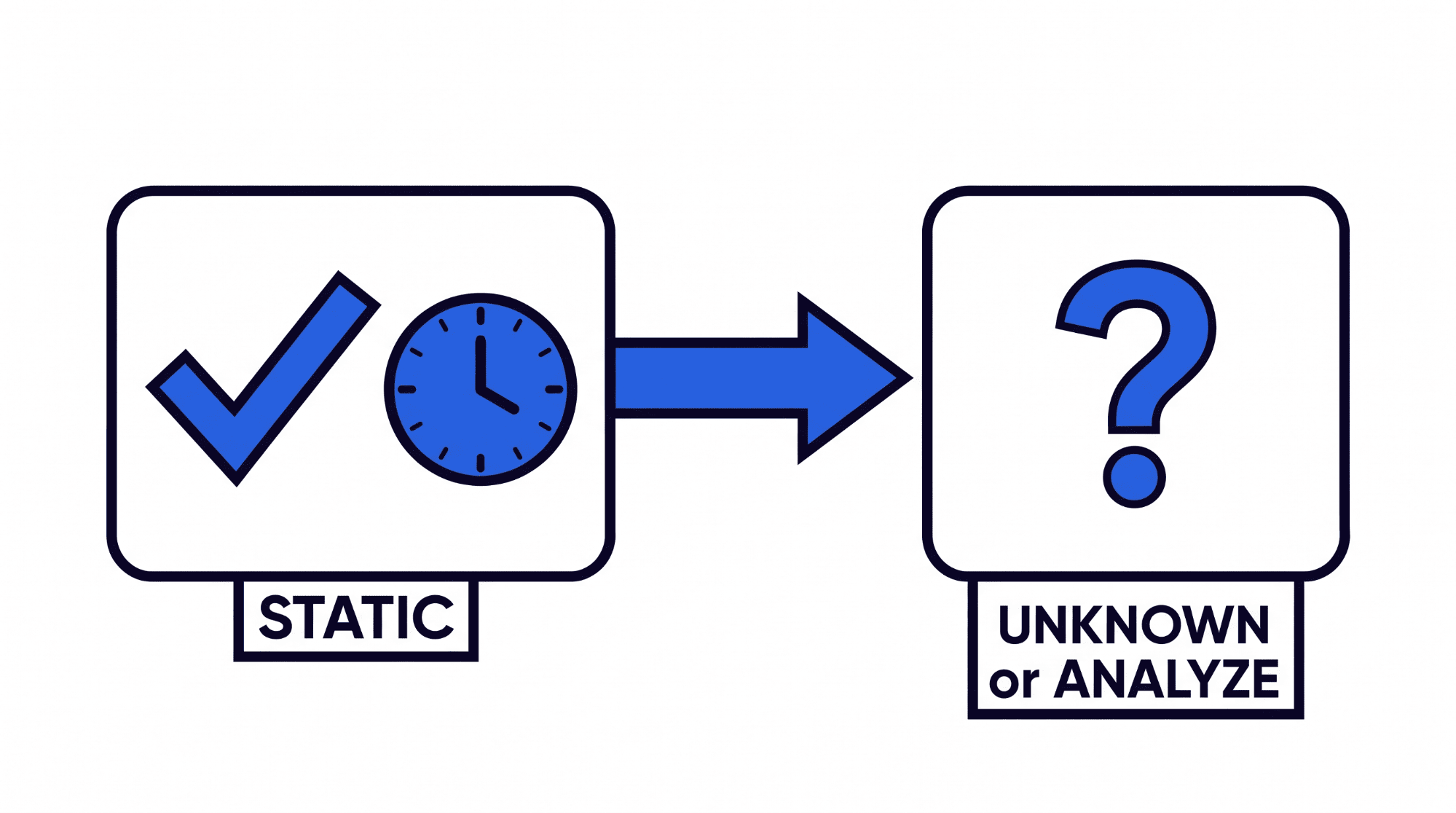
Static analysis happens before a container runs. A clean image can still be abused at runtime: an attacker finds a vulnerability in your app, drops a reverse shell, and moves laterally. The image never changed, so the scanner stays silent.
The control layers break down like this:
| Control layer | What it catches | What it misses |
|---|---|---|
| Image scan (Trivy, Grype) | Known CVEs in the build | Live exploitation, novel behavior |
| Admission policy (OPA/Gatekeeper, Kyverno) | Bad config at deploy | Anything after the pod is admitted |
| SBOM (CycloneDX, SPDX) | Component inventory | Whether a component is actually abused |
| Runtime detection (Falco, eBPF) | Anomalous behavior in live pods | Nothing it can't see at the kernel |
NIST SP 800-190 and the CIS Kubernetes Benchmark both call for runtime monitoring because the running workload is the last and most honest signal. A deployment that passes every gate can still be the one that gets popped.
How does eBPF provide visibility into running pods?
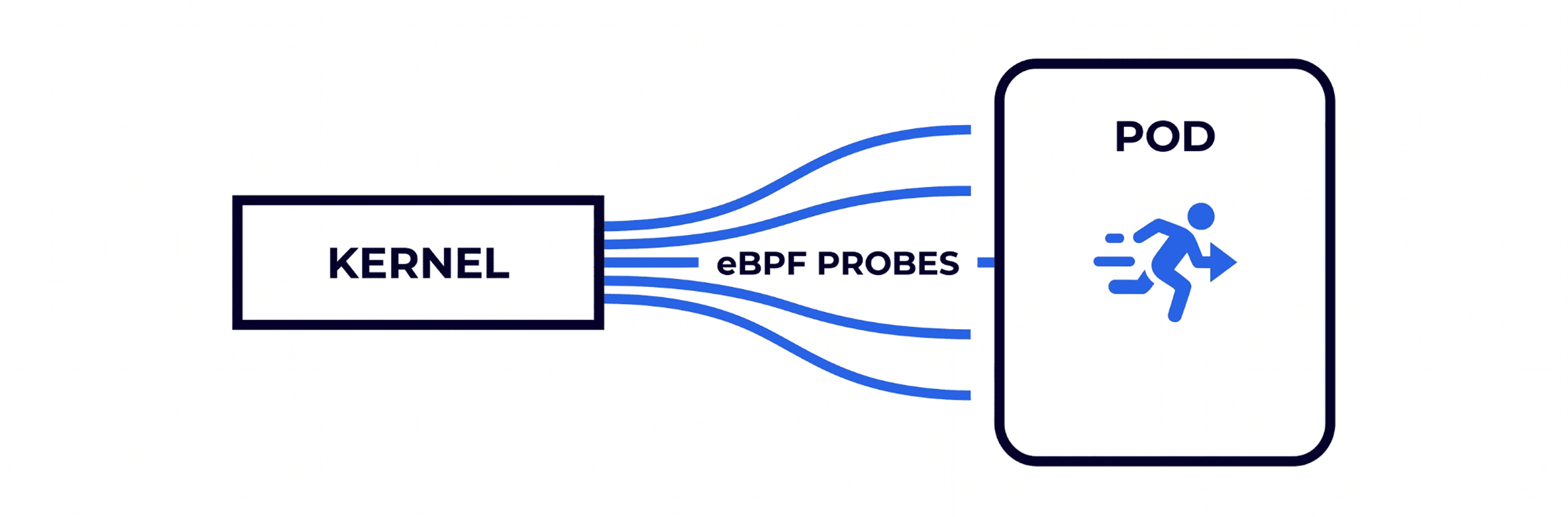
eBPF (extended Berkeley Packet Filter) lets you run sandboxed programs inside the Linux kernel in response to events: a syscall, a network send, a file open. On a Kubernetes node, an eBPF agent attaches to the container's processes and streams events up to a detector. No sidecar, no container modification, minimal overhead.
What you get per pod:
- Process execution: which binary ran, from which parent, with what args.
- File and filesystem access: reads of /etc, writes to /tmp, mounts of host paths.
- Network activity: new connections, unexpected outbound destinations, listen ports.
- Syscall patterns: ptrace, execve into a shell, privileged operations.
Because eBPF sees the kernel boundary, it captures activity that lives outside your app's logs entirely - like a compromised library forking a process.
What behavioral rules should you run on Kubernetes workloads?
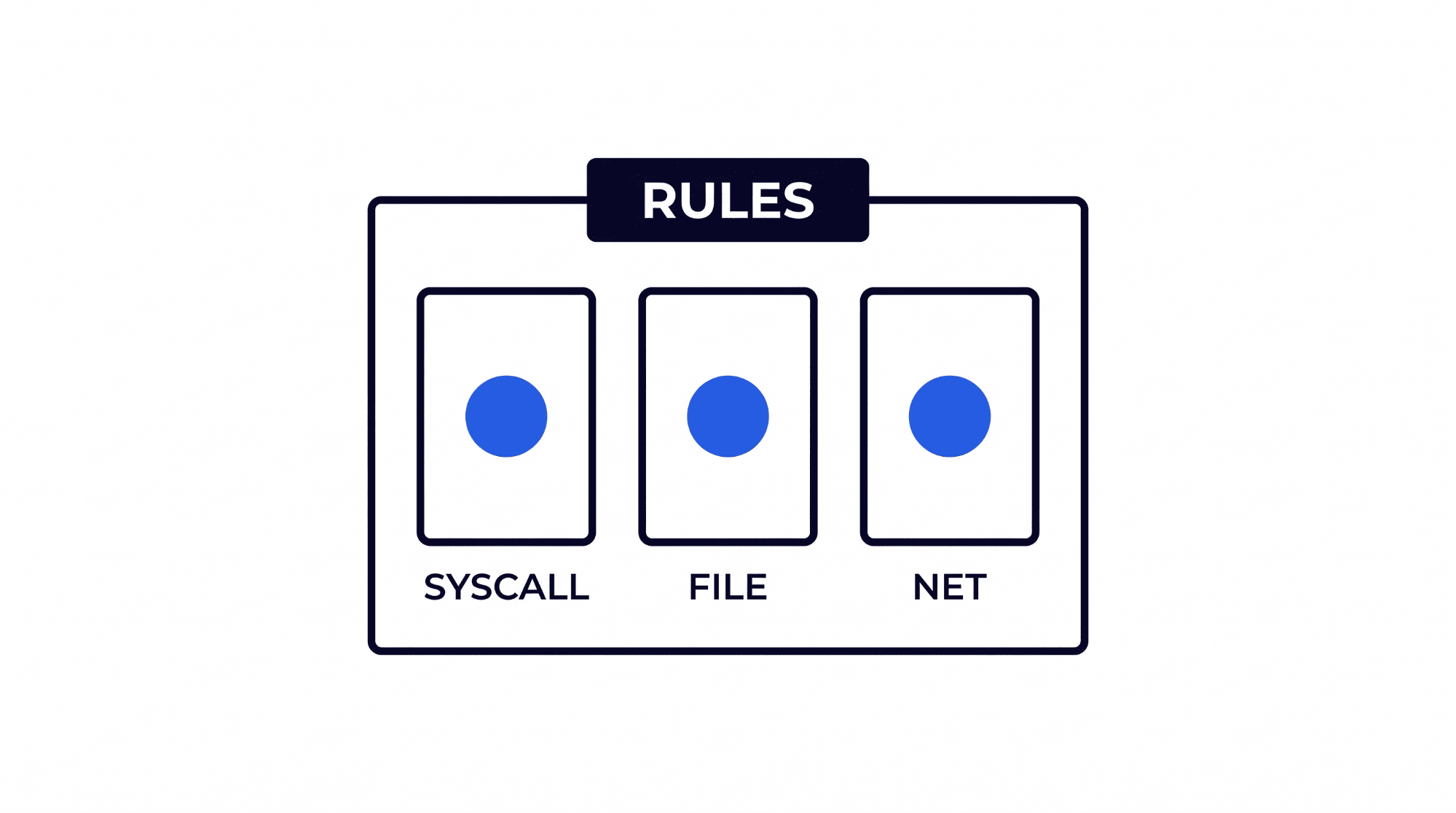
Generic detection fires on every shell. Workload-aware detection asks: should THIS pod be doing THIS? A build job container legitimately runs bash; a public-facing API almost never should. Falco ships a ruleset you tune per workload, and you write custom rules for your baselines.
Core rules worth running:
| Rule | Signal | Why it matters |
|---|---|---|
| Terminal shell in container | execve /bin/sh or /bin/bash | Classic foothold for manual attack |
| Sensitive mount read | read of /etc/shadow, /var/run/docker.sock | Credential and escape recon |
| Unexpected outbound | connection to new external IP | C2 beacon or data exfil |
| Crypto-miner patterns | high CPU + new unknown binary | Resource theft, common first sign |
| Privilege escalation | setuid, cap_add, ptrace | Lateral movement attempt |
A rule is a condition plus an output. Example Falco rule skeleton:
- rule: Shell in API Pod
  desc: Detect a shell spawned in the payments-api deployment
  condition: spawned_process and container.name startswith "payments-api" and proc.name in (sh, bash)
  output: Shell spawned in pod (user=%user.name pod=%k8s.pod.name)
  priority: WARNING
Kyverno or OPA/Gatekeeper can enforce a complementary admit-time policy (no privileged pods), while Falco handles the behavior that slips past it.
How does runtime context cut through alert noise?
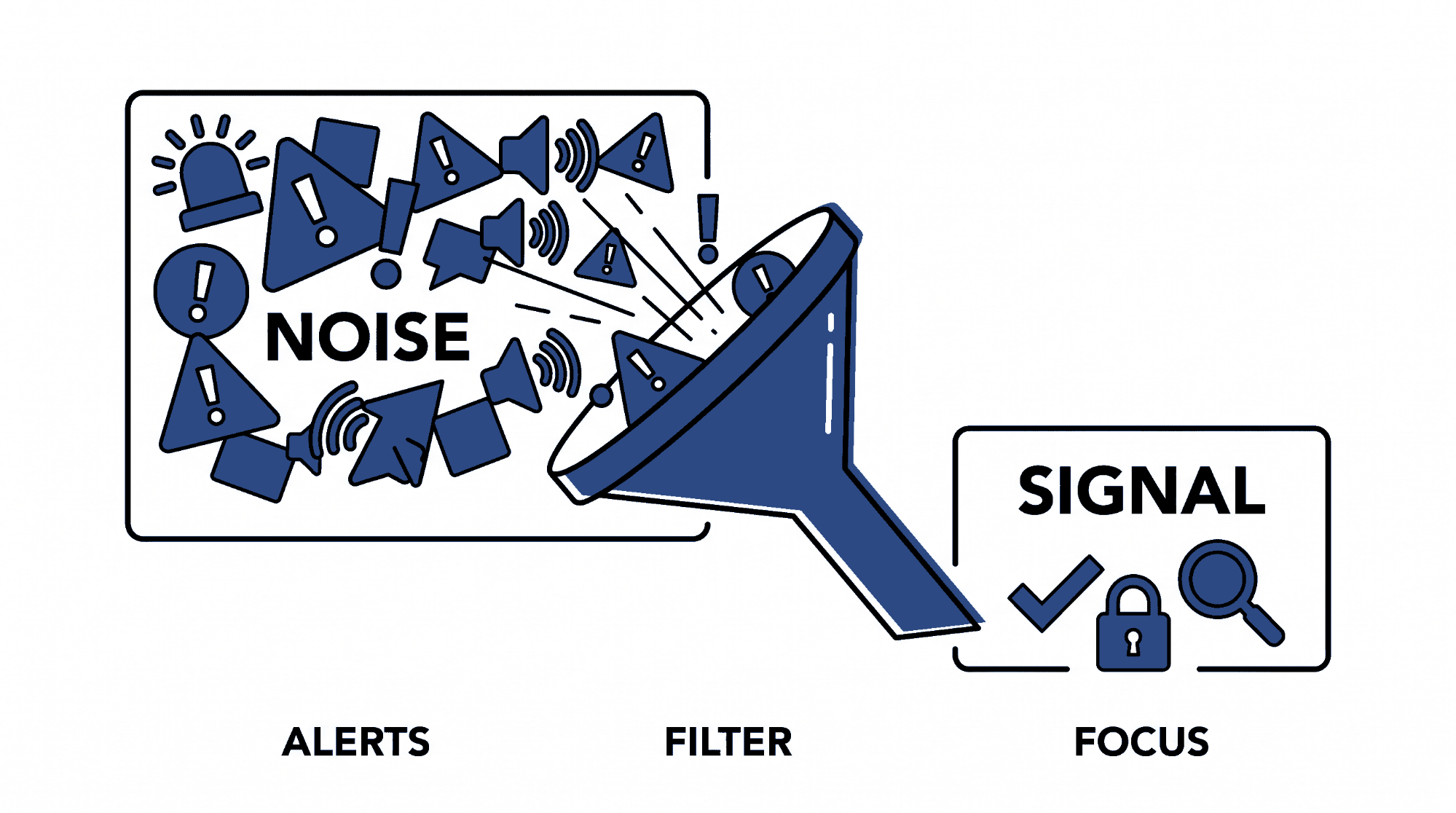
Raw syscall volume is enormous; a busy node emits thousands of events per second. Context is what makes an alert meaningful. Instead of "bash ran," you want "bash ran in the payments-api pod, in prod, from a non-interactive container, owned by a service account that never shells in."
Use these context dimensions to tune:
- Namespace and environment: dev noise is tolerated; prod is not.
- Workload identity: does this deployment ever need a shell, outbound, or priv?
- Known baseline: establish a normal behavior profile, then alert on deviation.
- Image provenance: an image from a curated, near-zero-CVE registry is a lower-risk baseline than an unvetted layer.
RapidFort Profiler builds a runtime bill of materials (RBOM®) from actual workload behavior, so you know which syscalls, ports, and files a pod truly needs - the same signal that powers precise runtime rules and trims false positives.
What does threat detection and response look like in practice?
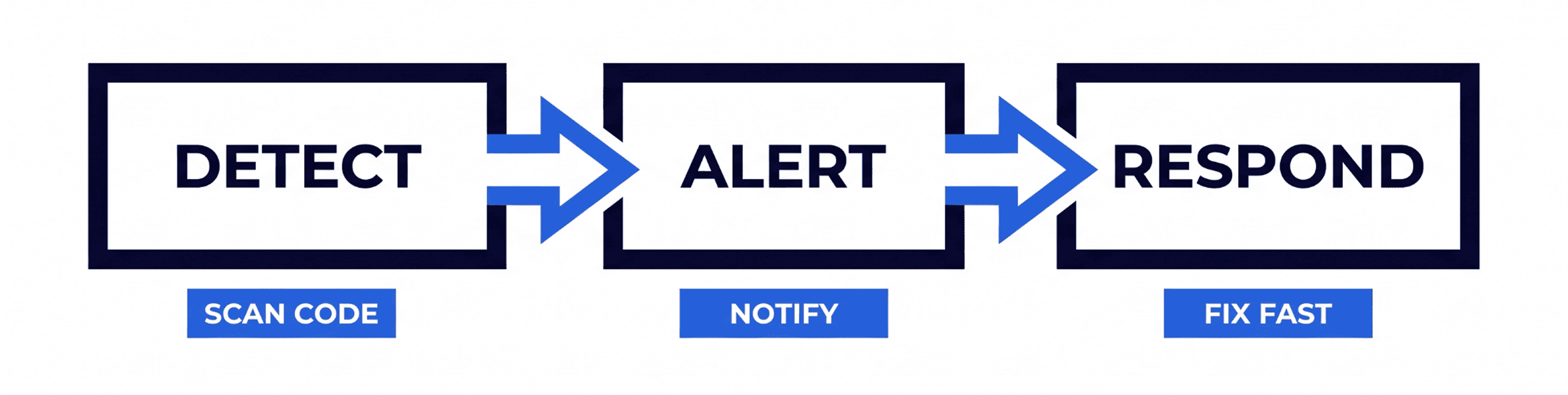
Detection without response is just expensive logging. Wire alerts into action:
- Alert: Falco emits to a sink (webhook, Prometheus, a SIEM).
- Enrich: tag the event with pod, namespace, image, and owner.
- Triage: correlate with EPSS and CVE/KEV data or CISA BOD 26-4 guidance to rank severity.
- Respond: apply a NetworkPolicy to isolate, scale the Deployment to zero, or cordon the node.
- Record: write the event to an incident timeline for post-mortem.
A minimal response that needs no new tooling: a Falco webhook that labels the pod and triggers a Kubernetes NetworkPolicy denying egress. That contains a beaconing container within seconds while you investigate.
For workloads that also need supply-chain assurance, pair runtime detection with SBOM generation (Syft or RapidFort Analyzer), signing (Sigstore/cosign), and provenance (in-toto, SLSA) so you can trace a runtime anomaly back to the exact build that introduced it.
Runtime Security for Kubernetes FAQ
What is the difference between runtime security and container image scanning?
Image scanning inspects a container before it runs and flags known vulnerabilities in its layers. Runtime security watches the container while it runs and flags behavior - shells, network calls, file access - that indicates compromise. Scanning answers "is this image risky?"; runtime detection answers "is this workload being attacked right now?" You need both; they cover different phases of an attack.
Can eBPF-based detection run on managed Kubernetes like EKS, GKE, or AKS?
Yes. eBPF runs in the Linux kernel of the worker nodes, and managed services expose those nodes to you. The agent is deployed as a DaemonSet. The main constraint is kernel version - most current managed node images ship a kernel new enough for eBPF, but you should verify the minimum version for your tool. gVisor or Kata sandboxes can limit visibility, so check compatibility before relying on kernel-level hooks inside those runtimes.
How many rules do I actually need to start?
Start with five to ten high-signal rules: shell in a non-interactive pod, sensitive file read, unexpected outbound, privilege escalation, and crypto-miner patterns. Expand only after you've tuned those against your real baseline. A small, well-tuned ruleset beats a huge one full of false positives that nobody reads.
Does runtime security replace admission control?
No. Admission control (OPA/Gatekeeper, Kyverno) blocks bad configuration at deploy time - no privileged pods, no hostPath mounts, required securityContext. Runtime detection catches what policy can't predict: legitimate config abused in novel ways. They are complementary layers in a defense-in-depth model aligned with NIST SP 800-190.
How do I measure whether runtime security is working?
Track mean time to detect (MTTD) and mean time to respond (MTTR) for real incidents, plus the false-positive rate of your rules over time. A healthy program shows falling false positives as baselines improve and fast containment when a true positive fires. Don't measure by alert volume; that only rewards noise.
Key takeaways
- Runtime security for Kubernetes catches the behavior that scans, SBOMs, and admission policy structurally cannot see.
- eBPF gives kernel-level, low-overhead visibility; Falco turns that into workload-aware behavioral rules.
- Context - namespace, identity, baseline, image provenance - is what separates signal from alert fatigue.
- Detection must be paired with response: isolate, cordon, or scale-to-zero before you investigate.
- Combine runtime detection with supply-chain controls (SBOM, signing, provenance) for full lifecycle coverage.


