Build secure, minimal Debian-based container images with rules_rapidfort_deb, RapidFort's new Bazel ruleset. Prioritize patched software, reduce vulnerability exposure, and maintain fast, reproducible builds.
Blog
Read the latest cybersecurity news and musings from the RapidFort team.
Thank you! Your submission has been received!
Oops! Something went wrong while submitting the form.
RapidFort Joins Akrites: The Industry's Largest Coordinated Defense of Open Source Security

June 24, 2026
RapidFort joins the Linux Foundation's Akrites initiative alongside AWS, Microsoft, OpenAI, Google, and other industry leaders to coordinate AI-era open source vulnerability remediation.
Risk Over Compliance: What CISA’s BOD 26-04 Asks of Federal Civilian Agencies

June 16, 2026
On June 10, 2026, CISA retired the patch everything doctrine and ordered federal civilian agencies to prioritize remediation by risk, not volume. This policy brief by Berk Bucukoglu, VP Public Sector at RapidFort, breaks down the four criteria of urgency defined by BOD 26-04, explains why AI is collapsing exploit windows, and outlines four imperatives for agency leaders to act on now.

DORA Is Not About Compliance. It's About Resilience.

June 12, 2026
DORA is not about compliance. It is about resilience. Learn why financial institutions must move beyond vulnerability visibility to vulnerability elimination and how eliminating inherited software risk before it reaches production is the only path to true operational resilience.

Mythos Vulnerability Assessment: Eliminate Real Risk, Not Just CVEs
May 28, 2026
AI-driven systems like Mythos are discovering and weaponizing vulnerabilities in hours while enterprise remediation takes weeks. Get a complimentary Mythos Readiness Risk Assessment from RapidFort and get actionable scan results within minutes.
Securing Modern AI Workloads for National Security

May 15, 2026
RapidFort helps defense teams eliminate container vulnerabilities by up to 99.9 percent through curated images, runtime profiling, and hardened software supply chains, enabling AI-driven military operations at mission speed.
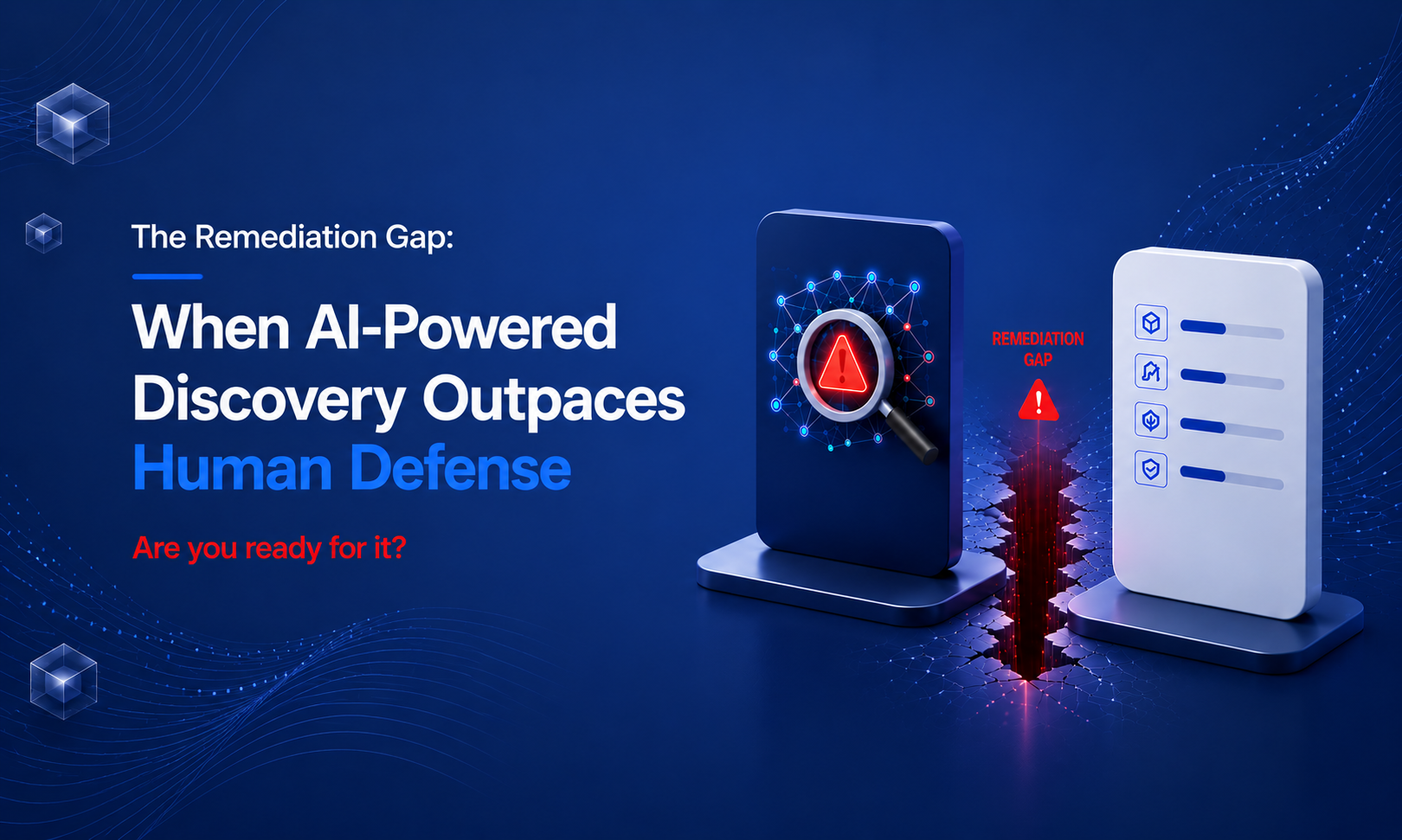
The Remediation Gap: When AI-Powered Discovery Outpaces Human Defense
May 6, 2026
AI tools like Mythos can now discover thousands of vulnerabilities and multi-step exploit chains automatically. The bottleneck was never discovery, it's everything that comes after. Michael Wood examines the widening remediation gap and what modern security teams must do about it.
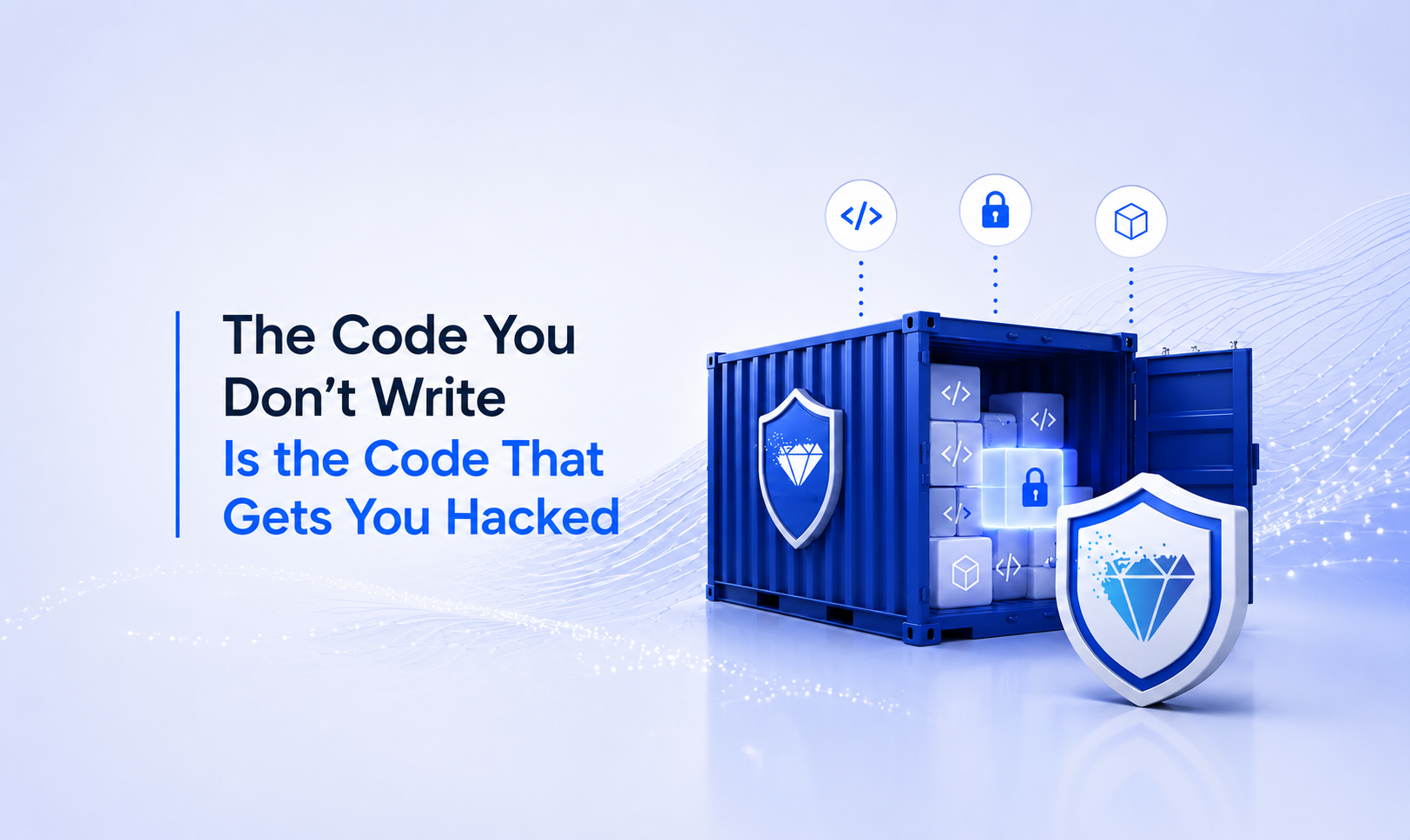
You Only Control 15% of Your Software. Here's How to Secure the Rest.
April 29, 2026
RapidFort, recognized in the Gartner Container Supply Chain Security report, eliminates up to 99.9% of CVEs across Intake, Build, and Runtime stages. Zero code changes required.
Free ATO Readiness Cohort: Shorten Your Path to Federal Market
April 17, 2026
The DoD ATO process kills more promising products than bad code ever will. RapidFort's free cohort, led by the former CIO/Authorizing Official of DISA, teaches startup leaders exactly how authorization decisions are made, what de-risks them, and how to eliminate up to 99.9% of CVEs before your ATO package lands on a reviewer's desk. Register free and shorten your path to the federal market.
.jpg)
US Cyber Strategy & Software Supply Chain Security
April 15, 2026
RapidFort supports the PTCA by informing decisions on adversary behavior, consulting on regulation and emerging technology, and securing federal networks with 35,000+ near-zero CVE container images.
%20(4).png)
EU CRA for Containers & Kubernetes: Scope, Deadlines & Steps

April 15, 2026
The EU CRA requires hardened container images, SBOMs, and 24-hour vulnerability reporting. Learn scope, deadlines, and compliance steps for Kubernetes teams.

RBOM vs SBOM: The Critical Difference Between Software Inventory and Runtime Reality
May 9, 2026
This blog highlights the synergy between a Software Bill of Materials (SBOM) and a Runtime Bill of Materials (RBOM), using a kitchen vs. cake analogy to explain how unused software bloat increases vulnerability risks. By leveraging the RapidFort Platform, organizations can achieve up to a 95% reduction in exploitable CVEs and a 90% reduction in attack surface. Through deep image analysis, agentless runtime profiling, and automated image hardening, the platform simplifies continuous compliance for frameworks such as FedRAMP, DISA STIGs, and NIST 800-53.
%20(2).png)
PyPI, npm, and the New Frontline of Software Supply Chain Attacks
April 3, 2026
Four software supply chain attacks in early 2026, targeting Trivy, LiteLLM, Telnyx, and Axios, share a pattern every security team should understand. Here is what happened and what to do about it.
%20(2).png)
GitHub Actions Security Audit: CI/CD Risk & Shell Injection
March 2, 2026
GitHub Actions workflows are a frequent target when misconfigurations enable untrusted pull request code execution, unsafe comment triggers, or shell injection via event fields. This guide explains the highest-risk patterns to audit and shares RapidFort’s open-source org-wide GitHub Actions security audit tool to assess repositories at scale and prioritize remediation.
.png)
What Is RBOM™? Runtime Bill of Materials vs SBOM Explained

February 27, 2026
Learn what a Runtime Bill of Materials (RBOM) is, how it differs from an SBOM, and how runtime profiling reduces container attack surface. Discover how RapidFort uses RBOM alongside curated hardened images to prioritize exploitable risk in modern DevSecOps and Kubernetes environments.
.png)
EU Cyber Resilience Act & Open Source Risk
February 10, 2026
The EU CRA shifts open source accountability to software manufacturers. RapidFort helps teams meet these new standards by reducing inherited risk, shrinking attack surfaces by up to 95%, and generating auditable evidence without code changes.

RapidFort Raises $42M Series A for Software Supply Chain Security
February 3, 2026
RapidFort advances software supply chain security with a $42M Series A, scaling continuous, runtime-aware vulnerability remediation, near-zero CVE images, and attack surface reduction from build through runtime.
%20(4).png)
Fintech Container Security 2026: SASM & RBOM™
January 23, 2026
Explore the critical security challenges facing fintech platforms in 2026, specifically the risks posed by unused software in containerized environments. RapidFort’s Software Attack Surface Management (SASM) platform empowers fintech security teams to move beyond static reporting by utilizing Runtime Bill of Materials (RBOM) and Curated Near-Zero CVE Images. By focusing on execution-aware security, organizations can reduce their software attack surface by up to 90% and CVEs by up to 99.9% without modifying source code, ensuring defensible compliance for frameworks like PCI DSS v4.0 and SOC 2.

RF Analyzer: Precision Container CVE Intelligence
January 12, 2026
RapidFort Analyzer delivers precise, context-aware container vulnerability analysis by validating CVE applicability, reducing noise, and prioritizing real risk.
.png)
Kimia: Secure Kaniko Alternative for Kubernetes Builds
December 2, 2025
Kimia is RapidFort’s modern alternative to Kaniko, offering secure, non-root container image building with BuildKit and Buildah. Learn how teams can improve Kubernetes-based builds, enable multi-architecture support, strengthen supply chain security, and streamline CI/CD pipelines.
.png)
AI-Powered Cyberattacks: How Defenders Must Adapt

December 1, 2025
AI is now accelerating every phase of the attack lifecycle – not just vulnerability discovery. Recent nation-state activity shows exploit creation, reconnaissance, and lateral movement all becoming automated. This post explores what changed, why it matters, and the practical steps defenders can take now.
.png)
RapidFort Pioneered DoD Container Hardening | Industry Standard
November 20, 2025
RapidFort pioneered automated container hardening for the DoD, removing unused code and eliminating CVEs to deliver secure, compliant, near-zero-vulnerability images. This innovation set the industry standard and still leads modern container security.
.jpg)
Turn Scanner Output into Verified CVE Elimination
November 14, 2025
See how RapidFort turns scanner output into verified remediation, shrinking attack surface and accelerating FedRAMP, SOC 2, CMMC, and PCI DSS readiness.
%20(4).png)
RapidFort's Giant Washing Machine: Cleaning Open Source at Scale
November 5, 2025
How RapidFort’s “Giant Washing Machine” cleans open source containers, cuts millions of CVEs, and frees engineers to build faster and safer.
.jpg)
Why SBOMs Fail: RBOM™ & Near-Zero CVE Images Fix the Gap
October 27, 2025
A new 2025 study reveals why even “compliant” SBOMs fail to show real risk. Discover how RapidFort’s RBOM™ and Curated Near Zero CVE Images turn static compliance into measurable, runtime-verified security.
Defeat NPM Supply Chain Worms: Near-Zero CVE Defense
September 24, 2025
Explore how the Shai-Hulud super-worm exploits developer trust in the npm ecosystem and why traditional scanners fail. Learn RapidFort’s proactive defense strategy—Curated Near-Zero CVE Images, automated 95% CVE remediation, and compliance acceleration—to build a resilient digital immune system against modern supply chain threats.
.jpg)
Bitnami & Chainguard Alternatives: Free Near-Zero CVE Images
September 5, 2025
Bitnami’s move behind a paywall disrupts enterprises—RapidFort offers Bitnami-compatible, curated Near-Zero CVE Images that cut vulnerabilities by up to 95%, ensure seamless Kubernetes migration, and accelerate compliance without added costs.
.png)
Runtime Profiling: Eliminate up to 99.9% of Container CVEs
September 3, 2025
RapidFort delivers real-time vulnerability remediation with RunTime profiling and curated images, accelerating compliance and securing container workloads.
.png)
Flow Defending: AI-Speed Container Hardening & Runtime Visibility

August 14, 2025
Secure software at AI speed with flow defending, using automated hardening, runtime visibility, and FIPS 140-3 compliance to eliminate vulnerabilities before they’re exploited.
.png)
AI in Software Supply Chain Security: Defense vs Attackers
August 8, 2025
RapidFort helps organizations win the AI-driven cyber battle with secure-by-design containers, automated remediation, and continuous runtime defense. The AI-Driven Shift in the Security LandscapeIn the past year, we’ve seen countless reports highlighting both the promise and the perils of AI in software development. While AI is driving unprecedented innovation, it is also enabling new classes of threats in the software supply chain.We are in the middle of a cat-and-mouse game:On one side, innovative companies are using AI to preemptively prevent exposures, detect anomalies faster, and harden the software development lifecycle from end to end.On the other side, bad actors are leveraging AI to scan for and exploit vulnerabilities in both first-party and third-party code, container images, and open-source components — often at a scale and speed never seen before.The Open Source & Container RealityContainerized applications and open-source components are becoming the backbone of modern software delivery. This approach brings efficiency, portability, and scalability — enabling teams to build complex applications faster.However, this also means that vulnerabilities in shared images, dependencies, and registries can be replicated across countless deployments, expanding the attack surface dramatically.How Do We Stay Ahead of Bad Actors?The key lies in combining secure-by-design principles with continuous, automated protection throughout the application lifecycle.1. Start with a Clean CanvasAdopt a shift-left, secure-by-design methodology — one that begins with a foundation free of known vulnerabilities. This means leveraging pre-hardened, near-zero CVE “golden images” to drastically reduce the need for reactive patching.While this is a powerful starting point, it is only one piece of the puzzle. Developers must also plan for newly discovered CVEs, shifting compliance requirements, and emerging threat vectors.2. Continuously Remediate & MonitorSecurity is not a one-time event. Implement tested, proven solutions that automatically remediate new vulnerabilities as they arise — without requiring disruptive code changes. Pair this with runtime monitoring & defending to continuously reduce attack surfaces and monitor for new CVEs.3. Fortify Your ApplicationsGo beyond patching and scanning. Deploy advanced technologies that analyze, profile, and harden workloads to shrink the attack surface by up to 90%. Combine this with continuous benchmarking and reporting to maintain compliance with frameworks like FedRAMP, CMMC, and STIG.The Bottom LineAI has become both a weapon and a shield in the battle for software supply chain security. The organizations that will win are those that embrace secure-by-design foundations and continuously adapt their defenses to match the pace of AI-enabled threats.In this high-stakes game, standing still is not an option — and the side with better tools, better intelligence, and better automation will always have the advantage.
.png)
SBOM vs RBOM™: Why Runtime Bill of Materials Wins
July 31, 2025
RapidFort’s RBOM™ platform delivers runtime-aware vulnerability management, reducing false positives and hardening containers automatically.
.png)
AI-Powered Container Stack: Built, Hardened & Defended
July 21, 2025
Secure your containers from build to runtime with AI-driven defense and near-zero CVE images.
.png)
AI-Generated Code Vulnerabilities: Runtime Defense for Containers
July 7, 2025
RapidFort delivers runtime-aware, full-lifecycle container security to counter AI-driven vulnerabilities and modern software risks.
.png)
Container Vulnerability Management Reimagined | RBOM™
June 12, 2025
RapidFort replaces noisy scans with automated, context-aware vulnerability remediation built for secure, scalable DevSecOps.
.png)
35,000+ Near-Zero CVE Images: FIPS, STIG & AI-Era Standard
June 6, 2025
Discover how RapidFort’s 35,000+ Near-Zero CVE Images provide a secure, compliant foundation for modern DevSecOps. Built on LTS distros, pre-hardened with STIG/CIS, and FIPS 140-3 validated these curated images minimize risk and accelerate time to compliance across Kubernetes and CI/CD environments.
.png)
RBOM™ Runtime Intelligence: Cut CVE Noise & Improve Accuracy
May 28, 2025
Eliminate CVE noise and strengthen container security with runtime intelligence, RBOMs, and hardened images optimized for compliance and real-world risk.
.png)
EU Vulnerability Database (EUVD): Impact on CVE Management
May 15, 2025
What the EU Vulnerability Database (EUVD) Means for Global CVE Management
.png)
Critical Infrastructure Cyber Resilience: Near-Zero CVE
May 10, 2025
RapidFort empowers critical infrastructure providers with preemptive cybersecurity, reducing vulnerabilities with near-zero CVE images and attack surface reduction.
.png)
DoD Software Procurement: SWIFT, cATO & Container Security
May 7, 2025
Discover how RapidFort accelerates secure software procurement for the DoD with SWIFT, automation, and continuous authorization. Secure, optimize, and streamline compliance with FedRAMP, cATO, CMMC, and SOC 2. Fast, flexible, and secure software delivery for defense.
.png)
Stop Fixing CVEs One by One: Eliminate up to 99.9% Before Production
April 28, 2025
Stop fixing CVEs after deployment. Learn how RapidFort’s prevention-first platform — featuring RF Near Zero CVE Images, DevTime RBOM™ profiling, and RunTime hardening — helps eliminate up to 95% of container vulnerabilities and secure your software supply chain without code changes.
.png)
Break the Patch-and-Pray Cycle: Proactive CVE Management
April 14, 2025
Break free from endless patching with RapidFort’s proactive CVE management—eliminate up to 95% of vulnerabilities before they reach production.
.png)
Beyond FedRAMP Checklists: Continuous CVE Elimination
April 1, 2025
Don’t just pass FedRAMP—stay secure with RapidFort’s automated hardening and Near-Zero CVE Images for lasting compliance.
.png)
Why RapidFort Outperforms the Competition: The Future of Secure Containers
March 24, 2025
RapidFort’s Near-Zero CVE container images automate 95% vulnerability remediation, reduce attack surfaces by up to 90%, and accelerate FedRAMP, PCI-DSS, SOC2, and CMMC compliance. Secure your cloud-native apps effortlessly with seamless CI/CD integration and no vendor lock-in.

FedRAMP Fast-Track: Near-Zero CVE Images & Zero Patching
February 7, 2025
Learn how RapidFort helps CSPs fast-track FedRAMP compliance by automating CVE remediation, hardening containers, and simplifying ongoing reporting.
.png)
Hidden Costs of Manual CVE Elimination | Automate with RapidFort
January 31, 2025
Explore how RapidFort eliminates the inefficiencies of manual remediation with automation, runtime risk context, and proactive attack surface reduction.
.jpg)
PCI DSS, SOC 2, FedRAMP & HIPAA Compliance via CVE Elimination
December 4, 2024
Learn how RapidFort helps organizations achieve compliance across major frameworks with automated vulnerability management and secure DevSecOps practices.
.jpg)
Emerging Cyber Threats 2024: Protect Containers with RapidFort
October 28, 2024
Explore the latest cybersecurity threats and discover how RapidFort helps reduce risks through automated vulnerability remediation and hardened containers.
.jpg)
Container Supply Chain Security: From Source to Deployment
October 15, 2024
Explore how to secure your container supply chain and meet compliance requirements using RapidFort’s end-to-end vulnerability and image integrity solutions.
.jpg)
Build a Robust Security Stack with RapidFort's SASM Platform
October 1, 2024
RapidFort delivers a comprehensive security stack—automating vulnerability fixes, securing your software supply chain, and helping you meet compliance goals.
.jpg)
Securing Containerized Environments: Best Practices
September 23, 2024
Learn how to secure containerized applications with proven best practices and RapidFort’s solution for vulnerability scanning, hardening, and compliance.
.jpg)
Identify & Eliminate Common App Vulnerabilities in 3 Steps
September 17, 2024
Explore key strategies to detect and address common application vulnerabilities with RapidFort’s proactive vulnerability management and security hardening.
.jpg)
Near-Zero CVE Blueprint: Securing Your Software Supply Chain
September 4, 2024
Discover a proven multi-layered strategy to eliminate 95% of software vulnerabilities through secure images, early testing, and real-time threat response.
.jpg)
Eliminate up to 99.9% of Container CVEs in 3 Steps | No Code Changes
June 6, 2024
Learn how to eliminate your software vulnerabilities by up to 99.9% through RapidFort’s automated approach to secure base images, profiling, and runtime hardening.
.jpg)
DoD Innovation: SpaceWERX, AFWERX & Defense Tech Firsthand
September 2, 2024
A candid look at innovation in the Department of Defense, showcasing real progress, tech partnerships, and the role of startups in shaping national security.
.jpg)
Developer Security Training Do's & Don'ts
May 17, 2024
Security training is no longer optional. Discover how to build an effective, hands-on developer training program—and avoid the pitfalls that leave teams vulnerable.
.jpg)
Top 5 Software Security Myths Debunked
April 17, 2024
From “we’re too small to be attacked” to “security slows us down”—uncover 5 software security myths and learn how to modernize your approach with RapidFort.
.jpg)
AI-Generated Code Security Risks: CEO Insights

April 15, 2024
AI is reshaping software development. Discover key takeaways from CEO Mehran Farimani’s article on GenAI, security risks, and the role of human creativity in code.
.jpg)
Using AI in Software Development: Security Tips & Considerations
April 12, 2024
Learn how to harness AI for code generation, testing, and maintenance—plus how RapidFort helps you secure AI-assisted development at scale.
.jpg)
RapidFort Wins Intellyx Digital Innovator Award | Runtime Security
April 8, 2024
We’re honored to be named a 2023 Intellyx Digital Innovator! Learn how RapidFort’s unique runtime security approach is driving real innovation in cloud-native environments.

3 Tips to Conquer CVE Alert Fatigue
April 5, 2024
Drowning in security alerts? Discover how to fight alert fatigue with clear policies, smart automation, and contextual runtime insights from RapidFort.

Mature DevSecOps Teams: Key Traits & Security Best Practices
March 26, 2024
What makes a dev team truly mature? Learn the key traits—and how RapidFort empowers teams to ship secure, high-quality software faster and with fewer vulnerabilities.
.jpg)
Top 3 Software Security Trends 2024: AI, Compliance & SASM
March 20, 2024
AI code, compliance, and infrastructure risk define security landscape—see how to adapt, automate, and secure your software with RapidFort’s unified platform.
.jpg)
Software Security Budgeting 2024: Eliminate CVEs by up to 99.9% & Measure ROI
January 30, 2024
Learn how to secure your stack, measure ROI, and cut vulnerability costs with smarter security investments.
.jpg)
RapidFort 2023 Year in Review: Milestones & Container Security Wins
January 30, 2024
Reflect on RapidFort’s biggest 2023 milestones—from product launches to industry awards—and see what’s ahead in software attack surface management.
.jpg)
OSS Vulnerability Scanning & Container Hardening
January 26, 2024
RapidFort streamlines OSS vulnerability scanning and container hardening—see how our platform reduces software bloat and risk across your entire SDLC.
.jpg)
6 Steps to Securing Your Software Supply Chain
June 29, 2023
Learn six critical steps to secure your software supply chain, minimize risk from OSS dependencies, and reduce vulnerabilities with automated optimization tools.
.jpg)
Why Container Security Tools Fail: Scan vs Eliminate
February 3, 2023
Scanning isn’t securing—learn why most container security tools fall short, and how RapidFort actually removes vulnerabilities to reduce risk and boost DevSecOps impact.
.jpg)
Log4j Response: Harden Containers Now Before the Next Patch
December 17, 2021
Don’t wait for the next Log4J patch—discover how container hardening can reduce the blast radius and protect your infrastructure from active threats today.
.jpg)
Hidden OSS Trade-Offs: Container Bloat, CVEs & Security Debt
December 2, 2022
Explore the hidden risks of OSS—from container bloat to patch delays—and how RapidFort helps eliminate unused components to cut costs and boost security.
.jpg)
What Is Software Supply Chain Risk? Causes & How to Mitigate It
February 15, 2022
Explore the growing risk in software supply chains—from open-source dependencies to containerized apps—and how SCA scanning and hardening can mitigate modern threats.
.jpg)
What Is Container Hardening? Reduce CVEs & Meet Compliance | Guide
March 6, 2023
Container hardening reduces vulnerabilities and attack surfaces—learn how to secure Docker containers and integrate hardening into your CI/CD workflows.
.jpg)
The Limits of Shift Left: How Software Optimization Fills the Gap
April 11, 2022
Shift left alone isn’t enough—this blog explores its limits and how software optimization can drastically reduce vulnerabilities in open source-heavy workloads.
.jpg)
What Is Software Optimization? RBOM™ vs SBOM Explained
February 3, 2022
Software optimization with RBOMs™ helps you identify and eliminate unused components, reduce risk, and shrink your container footprint for stronger security.
.jpg)
Runtime Container Protection: 90% Attack Surface Reduction
October 24, 2023
Runtime Protection is redefining container security—scan, monitor, and secure your workloads in real-time to reduce vulnerabilities and meet compliance effortlessly.
.jpg)
RapidFort Joins Microsoft Pegasus Program | Container Security
November 17, 2023
RapidFort joins Microsoft’s Pegasus Program to deliver next-gen runtime security tools that help enterprises monitor, reduce, and protect their software attack surface.
.jpg)
SAST vs DAST vs IAST: Limitations for Container OSS Security
August 15, 2022
Modern AST tools help find issues in code, but fall short with OSS risks—learn what works, what doesn’t, and how to shrink your attack surface more effectively.
.jpg)
Securing Popular Docker Containers: Up to 80% Attack Surface Cut

February 28, 2023
RapidFort secures the most popular Docker containers with automated hardening, real-time vulnerability reduction, and transparent open source optimization.
.jpg)
Harden Containers with Coverage Scripts & RBOM™ Profiling
May 2, 2023
Coverage scripts help identify what your containers actually use—RapidFort leverages this to harden images, reduce vulnerabilities, and simplify container security.
.jpg)
Stop Chasing CVEs: Smarter Container Test Cycles
May 11, 2022
Learn why fixing thousands of vulnerabilities doesn’t work - and how improving test cycles and eliminating unused code can secure your containers more effectively.
.jpg)
RapidFort Achieves SOC 2 Type 2 | Enterprise Security Validated
August 29, 2023
RapidFort completes SOC 2 Type 2 audit, demonstrating mature security practices and earning trust from enterprise and government customers alike.
.jpg)
Why CVSS Severity Alone Fails: Use Exploit Probability
May 3, 2022
Sorting CVEs by severity alone doesn’t work—learn how RapidFort uses exploit probability and smart optimization to reduce real-world security risk.
.jpg)
Black Hat USA 2023: AI, CISO Trends & Cybersecurity Insights
October 3, 2023
Get post-event insights from Black Hat USA 2023—AI innovation, CISO challenges, and what’s ahead for the cybersecurity industry.
.jpg)
SOC 2 Type 2 Compliance for Container Security
September 14, 2023
Learn how RapidFort’s SOC 2 Type 2 compliance strengthens security, builds customer trust, and ensures enterprise-grade protection for your sensitive data.
.jpg)
Minimize Software Attack Surface | RBOM™-Powered SASM
April 5, 2023
Reduce risk from vulnerabilities and zero-day threats by minimizing your software attack surface—RapidFort helps you harden workloads without slowing DevOps.
.jpg)
How RapidFort Secures Its Own Containers | Dogfooding DevSecOps
February 13, 2023
Learn how RapidFort secures its own infrastructure by hardening containers, reducing vulnerabilities, and enabling developers to move fast without compromising safety.
.jpg)
Harden Hundreds of Containers Today for Free
October 7, 2022
Easily reduce container vulnerabilities by scanning, profiling, and hardening hundreds of containers—RapidFort makes container security simple and scalable.
.jpg)
Reduce Container Bloat: Remove Unused Components & Cut CVEs
February 5, 2022
Eliminate software bloat in your containers by identifying unused code, reducing patching needs, and securing your infrastructure with smart optimization.
.jpg)
Software Supply Chain Security with SCA Scanning
March 2, 2022
Reduce open source risks with continuous SCA scanning and SBOM insights—prioritize vulnerabilities and harden containers to secure your software supply chain.
.jpg)
OpenSSL Vulnerability: Scan, Harden & Reduce Risk in Containers
October 26, 2022
Stay ahead of OpenSSL CVEs by scanning containers, generating SBOMs, and removing unnecessary code to secure your infrastructure faster and smarter.
.jpg)
Docker Container Security Best Practices 2023 | Harden & Scan
April 3, 2023
Secure your containers with proven Docker security practices, including image hardening, non-root access, and vulnerability scanning—built for fast-moving DevOps teams.
.jpg)
Delete 78% of Your Redis Container - It Still Works 100%
July 27, 2022
Enhance Redis container security and reduce attack surface by using optimized, minimal Docker images built to eliminate unnecessary vulnerabilities.
.jpg)
OSS Patch Management: Eliminate Container Bloat & CVEs
November 2, 2022
Explore scalable strategies for application and OSS vulnerability management—ditch endless patching by removing unused components and securing what matters.
.jpg)
Free Tool: Copy AMIs to AWS GovCloud Fast | Open-Source Script
May 18, 2022
Use this free, secure tool to automate AMI migration from AWS Commercial to GovCloud—fast, scriptable, and ideal for DevOps workflows.
.jpg)
Common Container Security Risks & How to Fix Them
July 13, 2023
Learn how to address container security challenges, from base image vulnerabilities to runtime protection, and implement best practices for secure containerized apps.
.jpg)
.jpg)
No results found.
There are no results with this criteria. Try changing your search.

Eliminate Attack Vectors at the Source
Continuously eliminate up to 99.9% of CVEs without code changes